
Start a Barley Grain Mill Buisness Plan
Barley, a versatile crop used in beer brewing, baking, animal feed, and even healthy breakfast cereals, has seen steady global demand growth in recent years. As consumers increasingly seek organic and locally sourced grains, and breweries expand their craft beer production, the need for efficient barley grain mill operations has never been higher.

Start a Barley Grain Mill Buisness Proposal
But while the market potential is clear, launching and scaling a barley grain mill business requires careful planning—from understanding your target audience to selecting the right barley milling machinery. Have you ever wondered how to transform this growing demand into a sustainable, profitable business that can evolve from a small startup to a large-scale grain processing plant? This business plan breaks down every critical step, integrating industry best practices and key insights for barley-specific operations.

What Market Niche Should Your Barley Grain Mill Target? Analysis & Positioning
Before investing in barley processing equipment or leasing a space, you must first define your market niche. The barley industry serves diverse segments, each with unique needs—and identifying the right one will shape your equipment choices, pricing strategy, and marketing efforts.
Key Barley Demand Segments to Prioritize
Not all barley buyers have the same requirements. Focus on these high-potential segments to maximize early revenue:
-
1. Craft Breweries & Distilleries: The largest buyers of milled barley, as barley malt is a core ingredient in beer. They need consistent grain size and high-quality, contaminant-free barley—making this a high-margin niche.
-
2. Baking & Food Manufacturing: Gluten-free and whole-grain trends have boosted demand for barley flour in bread, crackers, and snacks. This segment values organic certifications and fine grinding precision.
-
3. Animal Feed Producers: Livestock farms (especially poultry and cattle) use milled barley as a nutrient-dense feed. While profit margins are lower, this segment offers stable, bulk-order demand.
-
4. Home Bakers & Small-Scale Artisans: A growing niche for small-scale mills, as hobby bakers seek fresh, local barley flour. This segment prefers smaller packaging (1–5kg) and direct-to-consumer sales.
Competitor Analysis: Stand Out from Other Grain Mills
To avoid competing solely on price, analyze your local and regional rivals—including wheat mills, corn mills, and general grain processing plants. Ask:
-
Do local mills offer barley-specific services, or do they treat it as an afterthought?
-
What gaps exist? For example, no one may specialize in organic barley, or there may be a lack of mobile barley milling services for remote farms.
-
How do larger grain processing plants price their barley products? Use this data to position your business as either a cost-effective alternative (for small buyers) or a premium provider (for organic/ specialty needs).
Based on your analysis, choose a clear positioning. This focus will help you select the right barley processing machine and market your business effectively.
Which Barley Milling Equipment Fits Your Budget? Cost Breakdown & Selection
The heart of your barley grain mill business is its equipment, and choosing between barley milling machines, flour production lines, and grain processing equipment depends on your budget, output goals, and target market. Investing in the wrong machinery can lead to wasted funds or inefficient operations, so this step requires careful calculation.
Core Barley Milling Machinery You Can’t Skip
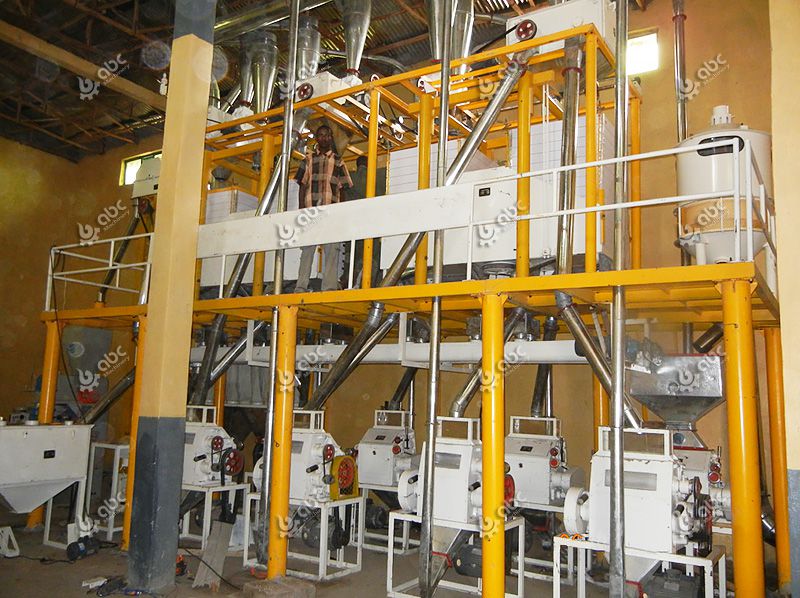
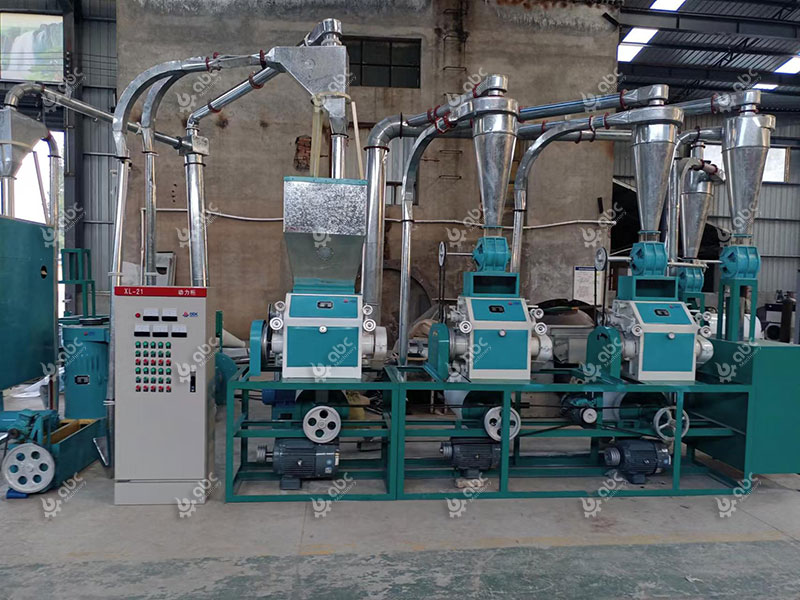
40T/D Barley Flour Mill - Full Milling Setup
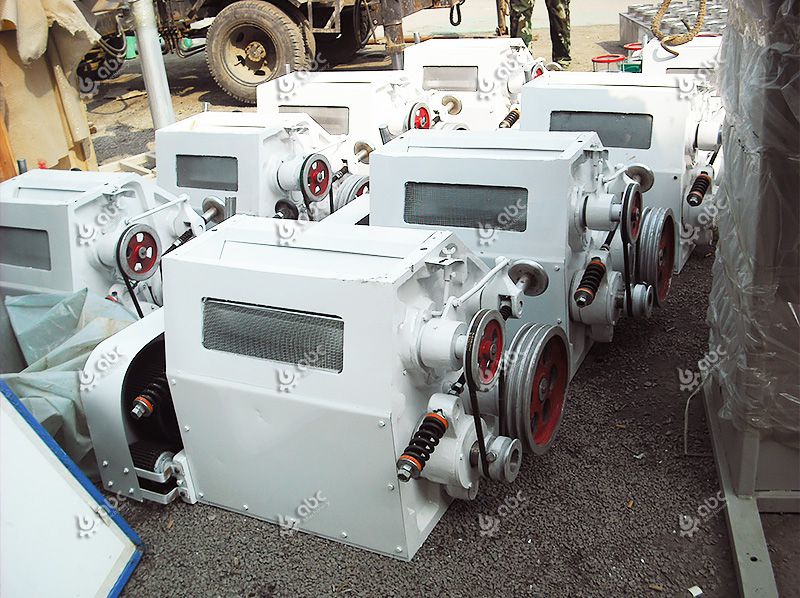
Stable-Performance Barley Flour Milling Equipment
Every barley mill—whether small-scale or large—needs these 4 types of equipment:
-
Barley Cleaning Equipment: Removes dirt, stones, and impurities from raw barley (critical for beer and food quality). Look for machines with air separators and magnetic separators.
-
Barley Milling Machine: The primary tool for grinding barley. Small-scale mills may use a single roller mill ($5,000–$15,000), while large operations need a multi-stage flour milling machinery setup ($50,000+).
-
Screening & Sifting Equipment: Separates milled barley into different particle sizes (e.g., coarse for feed, fine for flour). This ensures consistency for your buyers.
-
Packaging Machinery: For small-scale setups, manual packaging (bags + scales) works, but large-scale operations need automated packaging lines to handle 20–50kg bags.
Cost Comparison: Small-Scale vs. Large-Scale Barley Mill Setups
Use the table below to compare upfront equipment costs and expected capacity for different business sizes—critical for planning your barley mill investment.
|
Business Scale |
Key Equipment Type |
Number of Machines |
Total Equipment Cost |
Expected Daily Capacity |
Ideal Target Market |
|---|---|---|---|---|---|
|
Small-Scale |
Compact barley mill, manual cleaner, basic scales |
3–4 |
$10,000–$30,000 |
1–5 tons |
Home bakers, small feed farms |
|
Medium-Scale |
Semi-automated cleaning line, 2 roller mills, automated sifter |
6–8 |
$50,000–$100,000 |
10–20 tons |
Local breweries, regional food manufacturers |
|
Large-Scale |
Full barley flour production line, industrial cleaner, 5+ milling machines, automated packaging |
12–15 |
$150,000–$500,000+ |
30–100 tons |
National breweries, large feed corporations |
3 Tips for Choosing Reliable Grain Processing Equipment
-
Prioritize Upgradability: Start small, but choose machinery that can be expanded (e.g., a roller mill that can add more stages later).
-
Check After-Sales Support: Look for suppliers that offer maintenance and spare parts—many reputable manufacturers provide dedicated support for small-scale equipment.
-
Consider Energy Efficiency: Modern barley processing machines use less electricity, reducing long-term operating costs.
How to Scale Your Barley Grain Mill from Startup to Industry Leader?
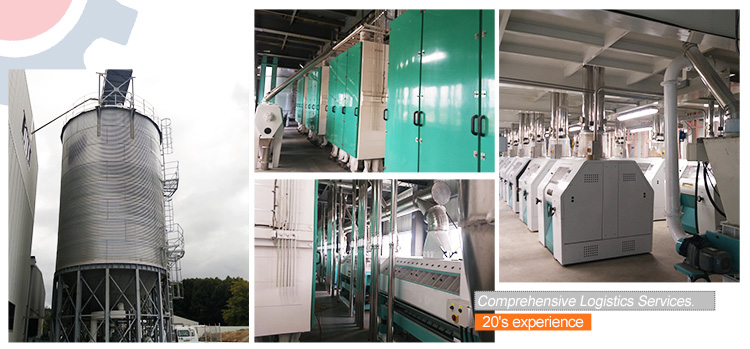
Large-Scale Barley Flour Mill Project
Launching your barley grain mill is just the first step. To grow from a small startup to a large-scale grain processing plant, you need a clear operational roadmap and growth strategy for quality control, customer retention, and expansion.
1. Daily Operations Checklist for Consistent Quality
Even the best barley milling machinery won’t succeed without strict daily processes. Follow this checklist to avoid errors:
-
Raw Material Checks: Inspect incoming barley for moisture content (ideal: 12–14%) and impurities—reject batches that don’t meet standards.
-
Equipment Maintenance: Clean barley milling machines daily and schedule weekly inspections for wear (e.g., roller blades).
-
Quality Testing: Sample milled barley every 2 hours to ensure grind size and purity match customer requirements.
-
Inventory Tracking: Monitor raw barley stock and finished products (barley flour, milled feed) to avoid stockouts or waste.
-
Customer Follow-Up: Check in with buyers (e.g., breweries) monthly to gather feedback—this builds loyalty and helps you adapt to their needs.
2. Quality Control: The Secret to Retaining Barley Buyers
Barley buyers—especially breweries and food manufacturers—are strict about quality. Implement these measures to stand out:
-
Certifications: Obtain organic or non-GMO certifications if targeting premium segments.
-
Standardized Processes: Document every step of barley processing (from cleaning to packaging) to ensure consistency across batches.
-
Lab Testing: Partner with a local lab to test for contaminants (e.g., mycotoxins) quarterly—share results with buyers to build trust.
3. Scaling Strategies: From Local to National Impact
Once your small-scale barley mill is profitable (typically 1–2 years), use these steps to expand:
-
Expand Local Supply Chains: Partner with more barley farmers to secure consistent raw materials—offer long-term contracts to lock in prices.
-
Add Product Lines: Diversify beyond basic milled barley (e.g., barley malt, roasted barley, or pre-mixed barley flour for baking) using existing grain milling equipment.
-
Enter New Markets: Target neighboring regions first, then national buyers. Use resources focused on regional grain mill business planning to learn how to adapt to local preferences.
-
Upgrade to a Large-Scale Flour Mill Plant: Invest in a full barley flour production line and expand your facility—this will let you handle bulk orders from national breweries and feed companies.
Ready to turn your barley grain mill business plan into reality? Whether you’re launching a small-scale operation or dreaming of a large-scale grain processing plant, you don’t have to do it alone. From choosing the right barley processing equipment to scaling your operations, please feel free to contact us!
- Single Flour Milling Machine
- Small Scale Flour Mill
- Large Scale Flour Mill
- Storage Silos
- Pneumatic Grain Conveyor
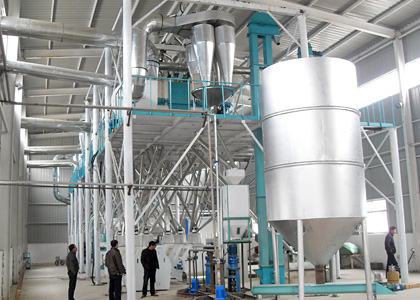

- Small Maize / Corn Flour Mill Machinery Design and Layout
- How to Choose a Reliable Small Wheat Grinding Machine Sale?
- How to Set Up Your Own Mini Wheat Flour Milling Plants at Home?
- Soy Protein Isolation Production Line Cost
- Cost of Setting Up A Soybean Isolate Protein Plant
- Characteristics And Application of Soy Protein Isolate
- How to Maintain Your Own Home Flour Mill Equipment
- How to Make Maize Flour at Home